


How to Automate Food Packaging Lines

foodmachtech | 2026-10-09 | 1488
As food production scales up, manual packaging and standalone machines may struggle to meet growing demands for efficiency, consistency, and product quality. By integrating conveying, filling, sealing, inspection, and secondary packaging equipment, food manufacturers can build automated packaging lines that reduce repetitive manual work and improve workflow coordination.
Food packaging automation is not simply about adding machines. It requires equipment to work together according to product characteristics, packaging requirements, and production capacity.
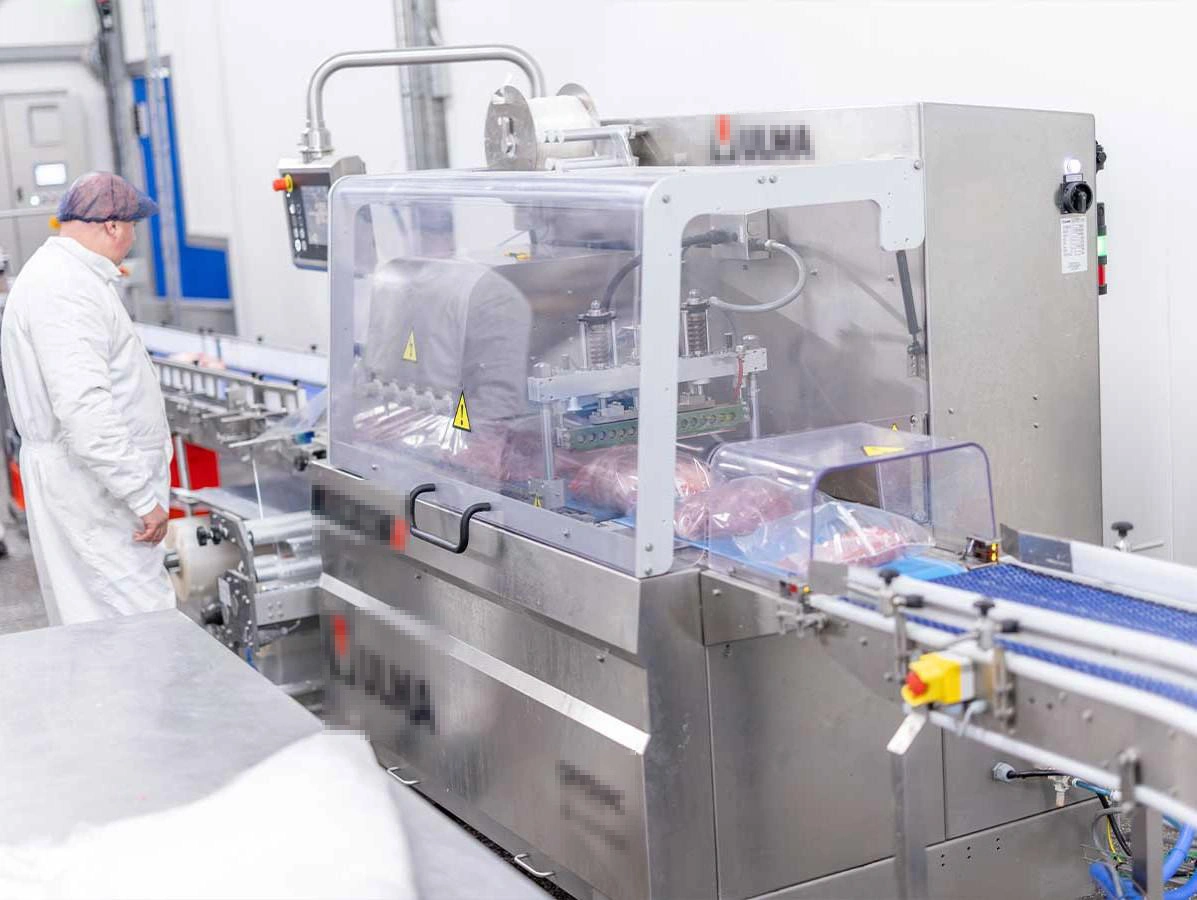
What Are the Main Stages of Food Packaging Automation?
A typical automated food packaging line follows this process:
Automatic Feeding and Conveying → Weighing and Filling → Packaging and Sealing → Quality Inspection → Labeling and Cartoning
The actual process varies depending on the food product, packaging format, and production requirements. Some stages may be combined or omitted.
Automatic Feeding and Conveying: Conveyors, elevators, and distribution systems move products between processing stages, reducing manual handling. Nuts and candies may require lifting and portioning equipment, while bread and pastries need gentler handling to prevent damage.
Automatic Weighing and Filling: Multihead weighers, powder dosing machines, and liquid filling machines measure and dispense products according to preset parameters. Choosing suitable equipment helps maintain filling accuracy and provides a consistent supply for packaging.
Packaging and Sealing: Vertical form-fill-seal machines and premade pouch packaging machines form or open packages, fill them, and seal them. Equipment must match the packaging material and required package format to achieve reliable seals and consistent output.
Quality Inspection: Checkweighers, metal detectors, and vision inspection systems identify specific issues, such as weight deviations, metal contamination, or labeling defects. Inspection requirements depend on product risks and applicable standards.
Labeling and Cartoning: Labeling machines, cartoning equipment, and case packers complete product identification and secondary packaging. Integration with conveyors and upstream machines reduces manual handling and improves workflow continuity.
How Can Packaging Machines Work Together?
Centralized Control Systems
Programmable logic controllers (PLCs) and human-machine interfaces (HMIs) coordinate equipment operation. Operators can monitor machine status, adjust parameters, and manage production settings through a control interface.
Synchronized Production Speeds
Line efficiency depends on the capacity of every stage, not just the speed of the packaging machine. Balancing feeding, filling, sealing, and downstream handling helps prevent product accumulation and unnecessary waiting.
Fault Detection and Interlocking
Sensors and inspection systems can detect issues such as product shortages, blockages, and packaging defects. Depending on the control logic, the line can trigger alarms, pause specific operations, or stop equipment to prevent further disruption.
What Should Food Manufacturers Consider?
Food type and packaging format determine equipment selection. Manufacturers should consider product shape, fragility, and whether packaging uses bags, bottles, or cartons.
Production capacity also matters. Equipment speeds should match target output and product changeover frequency to prevent bottlenecks.
Hygiene and cleaning requirements are essential, particularly for perishable or sticky products. Manufacturers should assess food-contact materials, machine design, and cleaning accessibility.
Finally, consider available floor space, compatibility with existing equipment, installation requirements, and maintenance costs. Businesses with limited budgets can automate bottleneck operations first and expand the system gradually.
From Standalone Machines to Integrated Lines
Successful food packaging automation depends on coordinating conveying, filling, sealing, inspection, and secondary packaging. By matching equipment capacity and integrating control systems, manufacturers can improve operational consistency and reduce manual handling. A phased upgrade allows businesses to address production bottlenecks while managing investment costs.
Disclaimer: This article is compiled from public information and optimized with AI tools for industry information exchange and reference purposes only.