


Livestock Equipment for Different Farming Models

foodmachtech | 2026-09-21 | 709
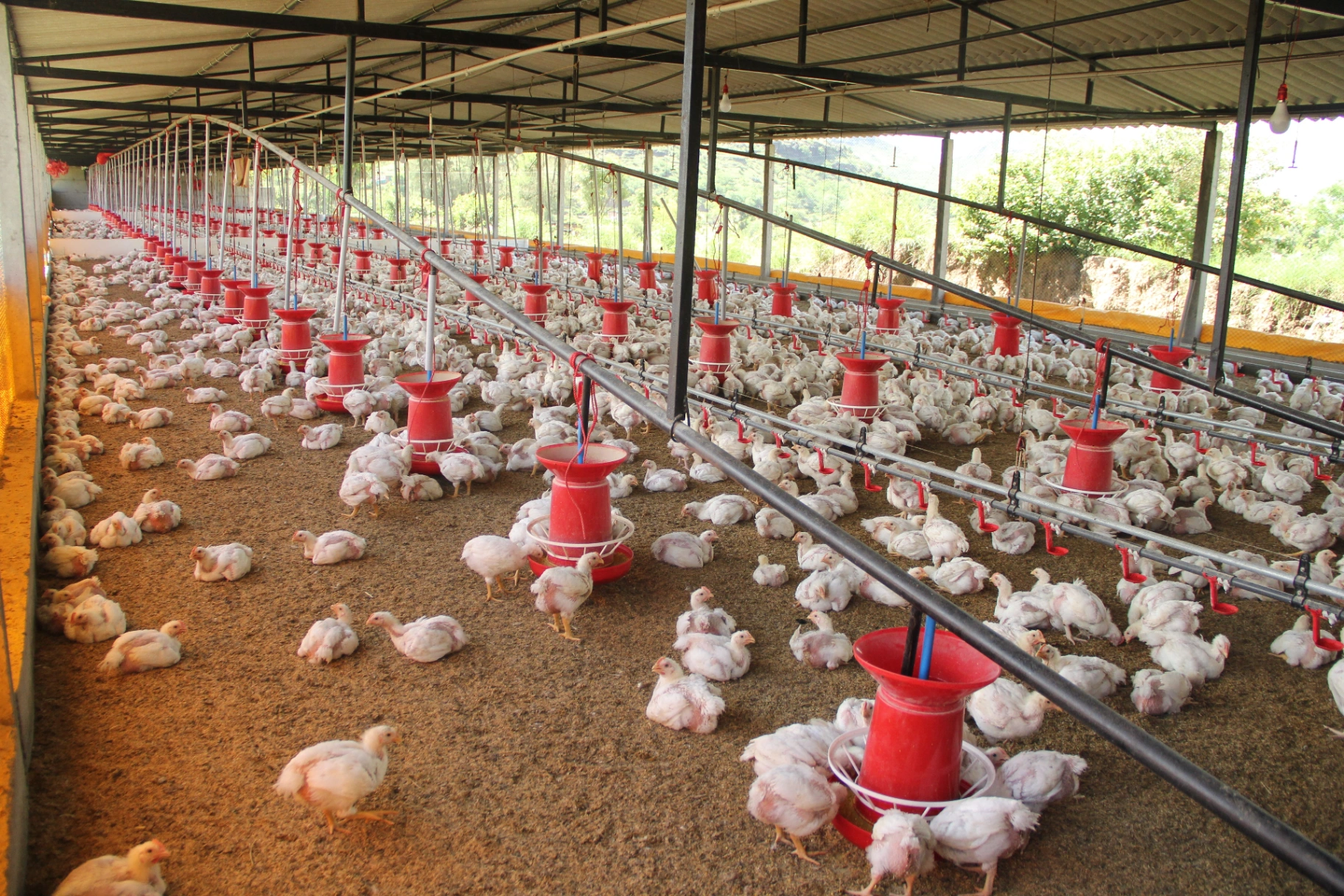
Different farming models require different types of livestock farming equipment. Equipment selection depends on factors such as farm size, stocking density, site conditions, labor requirements, and production processes. Small farms tend to prioritize practical and affordable equipment, while large-scale and intensive farms place greater emphasis on productivity, environmental control, and automation.
What Should You Consider When Choosing Equipment?
Farm Size and Production Capacity:The number of animals directly affects equipment capacity. Small farms can usually rely on basic equipment, while larger operations may need automatic feeding, centralized watering, and other equipment designed for higher production volumes.
Farm Layout and Infrastructure:Equipment should match the available space and farm layout. Water supply, power capacity, ventilation, and installation space should also be considered, especially when using more automated equipment or integrated systems.
Labor and Operating Costs:Farms looking to reduce repetitive manual work can consider equipment such as automatic feeders and manure removal systems. However, equipment selection should also account for energy consumption, maintenance, and long-term operating costs.
Common Types of Livestock Farming Equipment
Feeding and Watering Equipment: Feeders, automatic feeding systems, and automatic drinkers support daily feeding and water supply. Small farms can use basic equipment, while larger operations may increase automation to improve labor efficiency and production consistency.
Environmental Control Equipment: Ventilation, cooling, heating, and temperature and humidity control equipment help maintain suitable farming conditions. As stocking density increases, environmental stability becomes more important, increasing the need for effective environmental control equipment.
Manure Removal and Waste Management Equipment: Manure removal equipment can reduce manual cleaning work. Larger farms may also require manure conveying and waste management systems. Equipment should be selected according to farm size and waste output.
Monitoring Equipment: Temperature, humidity, water quality, and air quality can be monitored with dedicated equipment. Continuous monitoring helps farmers identify environmental changes and improve daily farm management.
How Should Equipment Be Configured for Different Farming Models?
| Farming Model | Equipment Configuration | Main Considerations |
|---|---|---|
| Small-scale farming | Basic and simple mechanical equipment | Cost and ease of use |
| Large-scale farming | More feeding, environmental control, manure removal, and monitoring equipment | Productivity and labor costs |
| Intensive farming | More automated, integrated, and coordinated systems | Stocking density and environmental stability |
Small-scale farming mainly requires equipment for basic feeding, watering, environmental control, and cleaning. Practical operation, easy maintenance, and manageable investment are usually key considerations.
Large-scale farming creates greater demand for automatic feeding, environmental control, manure removal, and monitoring equipment. These systems can help reduce labor requirements and improve production efficiency.
Intensive farming places greater emphasis on space utilization and environmental stability. Equipment therefore tends to become more automated, centrally controlled, and integrated across different farming processes.
Livestock Equipment Is Becoming More Automated
As livestock farming becomes more large-scale and intensive, equipment is moving from standalone functions toward automation and system integration. Automatic feeding, environmental control, manure removal, and monitoring systems can reduce repetitive manual work, while equipment integration can improve overall farm management. Future equipment development will place greater emphasis on productivity, energy efficiency, and precise environmental management.
Disclaimer: This article is compiled from public information and optimized with AI tools for industry information exchange and reference purposes only.