


Food Production Line Design for Better Efficiency

foodmachtech | 2026-09-18 | 1037
Food manufacturers are looking for ways to increase production efficiency while controlling labor costs, downtime and operating expenses. Instead of focusing only on the speed of individual machines, many manufacturers are paying more attention to food production line design and how products move between processing, inspection and packaging equipment.
A recent article from Food Engineering highlights how better conveyor, accumulation and sanitary design can improve food manufacturing efficiency and throughput.
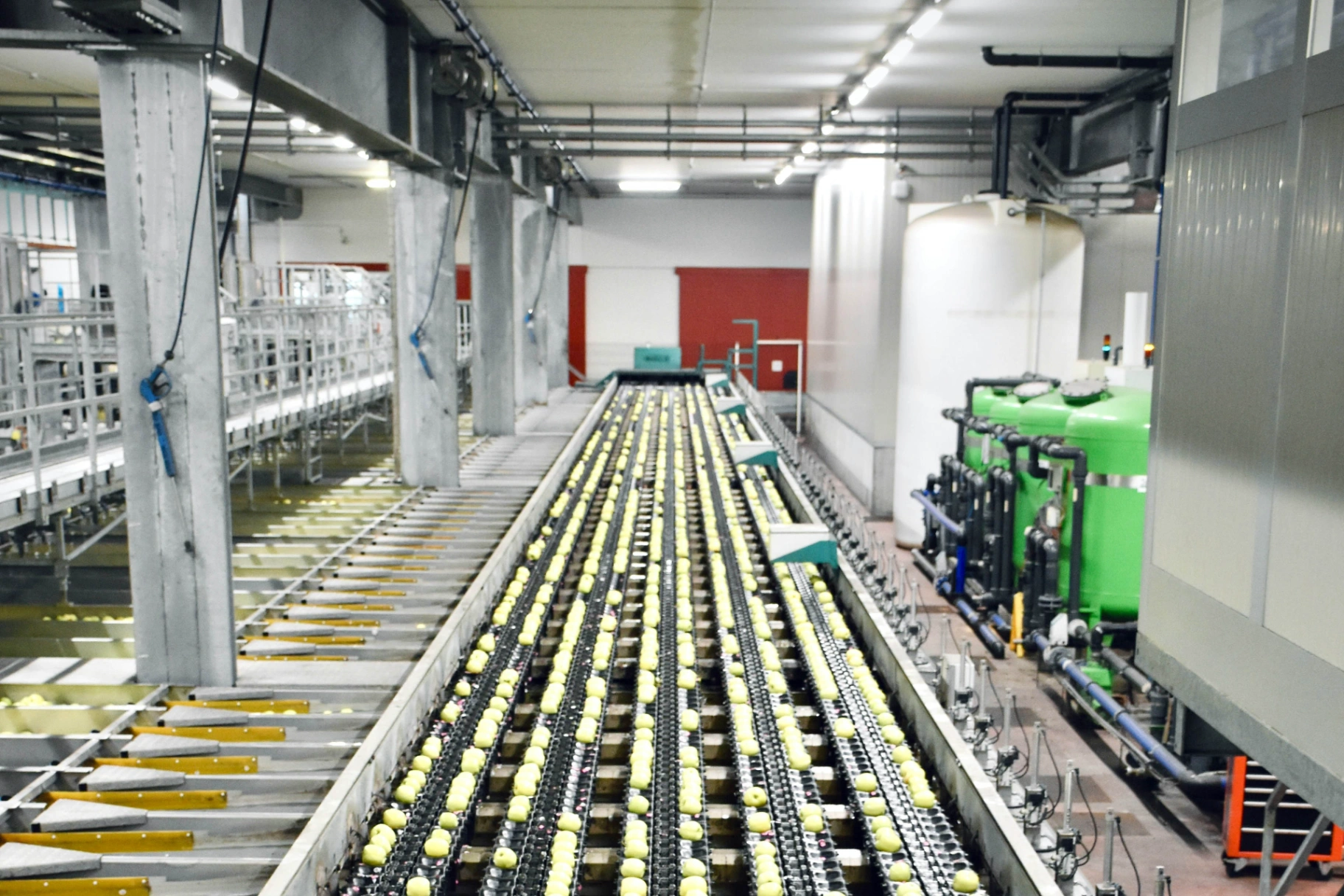
How Food Production Line Design Affects Efficiency
A food processing line usually connects multiple stages, from processing and cooling to inspection, packaging and palletizing. When one machine slows down or stops, the disruption can quickly affect other equipment.
A well-designed production line should therefore provide:
- Stable product flow between machines
- Suitable speed matching between production stages
- Buffer capacity for short equipment stoppages
- Flexible product transfer and accumulation
This approach can help manufacturers reduce unnecessary downtime without simply increasing the speed of individual food processing machines.
Conveyor Systems for Continuous Production
Food conveyor systems play an important role in maintaining continuous production. Accumulation conveyors can temporarily hold products when downstream equipment stops, allowing upstream machines to continue operating.
This is particularly useful between processing, cooling, inspection and packaging equipment, where short interruptions can otherwise reduce overall line efficiency.
Sanitary Design for Food Processing Equipment
Efficiency also depends on how easily equipment can be cleaned and maintained. Areas that collect food residues can increase cleaning time and create additional sanitation challenges.
For food processing equipment, sanitary design should consider:
- Easy-to-clean structures
- Reduced product residue areas
- Suitable materials and surfaces
- Accessible maintenance points
- Layouts that support effective cleaning
These considerations are especially important for meat, dairy, bakery, snack and ready-to-eat food production.
Automation Requires Better Product Flow
Robotic packaging, automated inspection and other technologies can improve production efficiency, but automated systems also depend on stable product movement.
Products entering an automated system need consistent spacing, positioning and transfer speed. Conveyor systems therefore need to work as part of the overall automation system rather than operate as independent equipment.
For manufacturers upgrading a food production line, factors such as product positioning, accumulation, merging, sorting and transfer should be considered alongside individual machine specifications.
Reduce Product Damage During Transfer
Production losses can also occur when products move between machines. Fragile bakery products, snacks, fresh produce and packaged foods may be damaged by excessive speed, collisions or unsuitable accumulation.
Optimizing transfer points and conveyor speeds can help reduce unnecessary product contact and improve production stability.
A System Approach to Food Production Line Optimization
Improving food manufacturing efficiency is not always about purchasing faster equipment. Production bottlenecks can also result from poor equipment integration, unstable product flow or insufficient accumulation capacity.
For manufacturers planning a production line upgrade, conveyor systems, accumulation equipment, sanitary design and automation compatibility should be evaluated together.
A more integrated approach to food production line design can help manufacturers reduce downtime, improve throughput and make better use of existing processing equipment.
Disclaimer: This article is compiled from public information and optimized with AI tools for industry information exchange and reference purposes only.