


Cattle & Sheep Feed Pellet Mills: Types & Specs

foodmachtech | 2026-11-06 | 1530
In cattle and sheep farming as well as feed processing, the Feed Pellet Mill is the core equipment that extrudes, cures, and shapes evenly mixed powdered ingredients into durable feed pellets. Compared to traditional loose mash or chopped forage, using pelleted feed effectively prevents selective eating, reduces the risk of pathogens through thermal curing, and significantly boosts feed conversion rates.
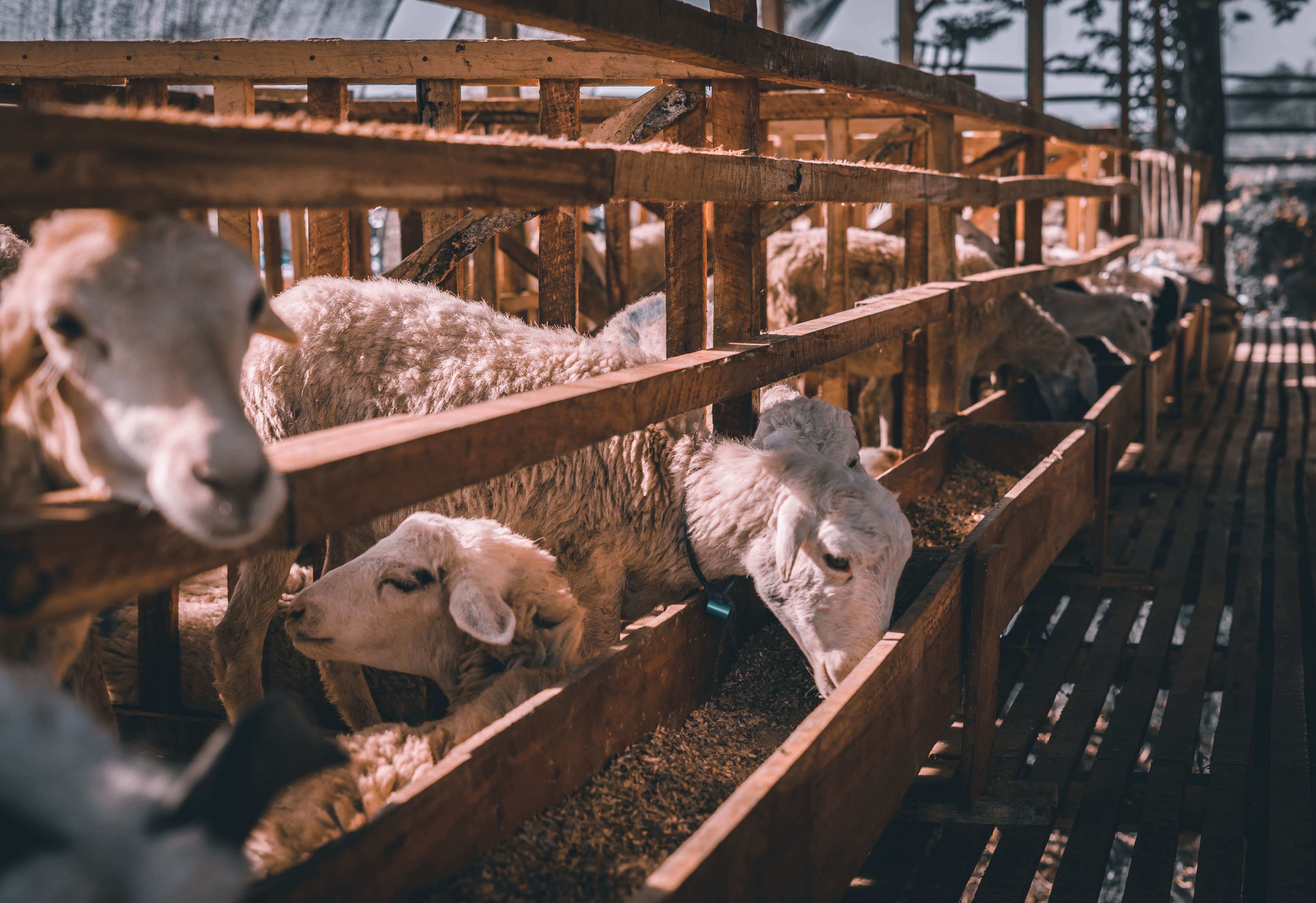
Core Technological Advantages of Feed Pellet Mills
For ruminants such as cattle and sheep, feed processed through a pellet machine offers key advantages:
- Enhances Palatability and Intake: Frictional heat generated during extrusion partially gelatinizes starches, releasing a rich aroma that stimulates livestock appetite.
- Prevents Selective Eating for Balanced Nutrition: Compacting concentrates, minerals, vitamins, and finely ground roughage into uniform pellets ensures livestock receive balanced nutrition with every bite.
- Facilitates Storage/Transport & Reduces Waste: Pellets feature low bulk volume and high density, making them less prone to dust loss or scatter during handling, reducing feed loss by 8%–10%.
- Sterilization & Improved Safety: The instantaneous high temperature during pelleting destroys harmful pathogens like E. coli and Salmonella, lowering the incidence of gastrointestinal diseases.
Deep Dive into Core Equipment
Based on structural design and operational requirements, feed pellet mills for cattle and sheep are divided into two main types: flat die and ring die machines.
| Dimension / Equipment Type | Flat Die Feed Pellet Mill | Ring Die Feed Pellet Mill |
|---|---|---|
| Structural Principle | Relies on press rollers rotating and extruding material over a flat, stationary circular die. | Utilizes a cylindrical ring die where press rollers rotate at high speed against the inner wall to force material through die holes. |
| Core Technical Advantages | • Simple, compact structure with a small footprint • Extremely low operating and maintenance threshold • Lower initial purchase and wear-part replacement costs • Easy die removal, ideal for frequent formula changes | • High throughput capacity and automation • Excellent pelleting rate (>98%) with precise density and hardness control • Pairs with steam conditioners for thorough high-temperature thermal curing |
| Target Application Scenarios | Small-scale livestock farmers, agricultural cooperatives, or small self-use plants producing a few tons per day. | Medium-to-large commercial feed manufacturing plants and standardized large ranches requiring heavy-duty, continuous operation. |
Four Key Considerations for Selection and Operation
Die Hole Diameter (Die Specifications):
- Sheep Pellets: Recommended die aperture ranges from 3.0 mm to 4.0 mm, providing optimal palatability for lambs and fattening sheep.
- Cattle Pellets: Recommended die aperture ranges from 4.0 mm to 8.0 mm, customizable based on cattle type (beef vs. dairy) and growth stage (calves vs. mature stock).
Crude Fiber Content & Power Matching: Ruminant feeds typically contain higher proportions of straw powder or grass meal. Because crude fiber creates higher friction and offers poorer flowability, machines must feature high-torque motors or heavy-duty gearboxes to prevent clogging.
Conditioning and Moisture Control: Input mash moisture should be strictly maintained at 13%–15%. Commercial ring die machines equipped with high-temperature steam conditioning increase starch gelatinization and extend die life, while flat die operations require careful manual dry-to-wet mixing control.
Wear-Part Material Quality (Rollers and Dies): Press rollers and dies endure high abrasive wear. Priority should be given to quenched and polished high-alloy steel or stainless steel components to significantly extend service life.
Smart Development Trends
Driven by advancements in agricultural machinery, modern feed pellet mills are evolving toward increased automation and energy efficiency. Features such as automated lubrication systems, automatic roller-die clearance adjusters, and anti-blocking auto-reversing protection are becoming standard. These innovations minimize manual maintenance frequency, prolong continuous runtime, and help livestock farms and feed producers maximize operational ROI.
Disclaimer: This article is compiled from public information and optimized with AI tools for industry information exchange and reference purposes only.