


Wine Production Line Process and Equipment

foodmachtech | 2026-11-11 | 1628
A wine production line involves a series of processing operations, from grape preparation and fermentation to filtration, bottling, and packaging. For wineries and commercial wine producers, selecting the right equipment is essential for maintaining product quality, improving production efficiency, and meeting different output requirements.
A complete wine production line typically includes grape sorting machines, destemmers, crushers, wine presses, fermentation tanks, filtration systems, and bottling equipment. The specific configuration depends on grape varieties, wine styles, production capacity, and the level of automation required.
Understanding the wine production process and the function of each machine can help manufacturers and winery operators plan an efficient processing system.
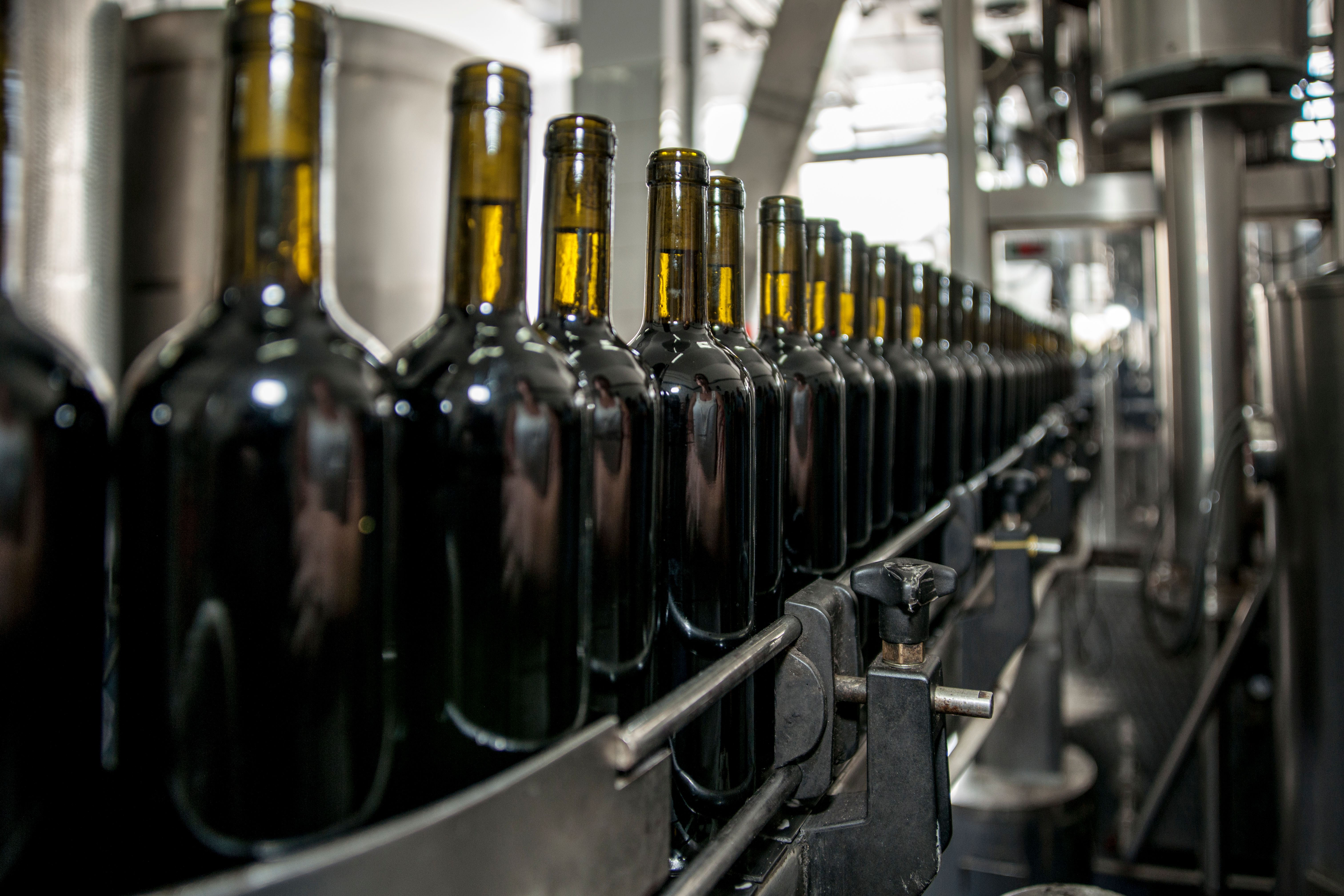
How Does a Wine Production Line Work?
Although production methods vary between wineries, commercial wine production generally follows several main stages.
Grape Sorting and Destemming
The process begins with grape reception and sorting. Freshly harvested grapes are inspected to remove damaged, unripe, or unwanted fruit before entering the processing line.
A grape sorting machine helps separate grapes according to quality, while a grape destemmer removes stems from the grape clusters. Destemming helps reduce unwanted plant material during subsequent processing.
Some wineries combine destemming and crushing in one machine to simplify equipment integration and reduce material handling.
Grape Crushing and Pressing
After sorting and destemming, grapes are processed to release their juice.
A grape crusher gently breaks the grape skins to release the juice and pulp. The crushed grapes are then transferred for pressing or further processing, depending on the wine style.
A wine press separates grape juice from solid materials such as skins, seeds, and pulp. Pneumatic and mechanical presses are commonly used in commercial wineries.
The timing of pressing is an important difference between red and white wine production. White wine grapes are generally pressed before fermentation, while red wine grapes are commonly fermented with their skins before pressing.
Fermentation and Aging
Fermentation is a key stage in the wine production process. During alcoholic fermentation, yeast converts natural grape sugars into alcohol and carbon dioxide.
A wine fermentation tank provides a controlled environment for this process. Stainless steel tanks are widely used because they are durable, easy to clean, and suitable for temperature-controlled fermentation.
Depending on the wine style and production requirements, wineries may also use temperature control systems, pumps, and monitoring equipment to manage fermentation conditions.
After fermentation, wine can be transferred to stainless steel storage tanks or oak barrels for maturation. Aging allows the wine to develop its desired characteristics before further processing.
Filtration and Stabilization
Before bottling, wine generally undergoes clarification and stabilization to remove unwanted particles and improve its physical and microbiological stability.
Wine filtration equipment helps separate suspended solids, yeast residues, and other particles from the liquid. Common systems include filter presses, cartridge filters, and membrane filtration equipment.
Some wineries also use cooling systems and other stabilization processes to reduce the risk of deposits forming after bottling.
The selection of filtration equipment depends on the required clarity, production capacity, and the characteristics of the finished wine.
Bottling and Packaging
Once the wine has completed the necessary processing stages, it moves to the bottling and packaging section.
A commercial wine bottling line may include:
- Bottle rinsing or cleaning equipment
- Automatic wine filling machines
- Corking or capping machines
- Bottle labeling machines
- Packaging and carton sealing equipment
Automated bottling systems help improve filling consistency, reduce manual handling, and increase packaging efficiency. For larger wineries, these machines can be integrated into a continuous production line.
What Equipment Is Used in Wine Production?
A complete wine production line consists of different machines designed for specific processing stages. The following table outlines common wine making equipment and its primary functions.
| Equipment | Main Function |
|---|---|
| Grape Sorting Machine | Removes damaged or unwanted grapes |
| Grape Destemmer | Separates grapes from stems |
| Grape Crusher | Breaks grape skins to release juice |
| Wine Press | Extracts juice and separates solid materials |
| Wine Fermentation Tank | Provides controlled conditions for fermentation |
| Wine Storage Tank | Stores wine during processing and maturation |
| Wine Filtration Machine | Removes suspended particles and residues |
| Wine Filling Machine | Fills wine into bottles |
| Bottle Capping Machine | Seals bottles with suitable closures |
| Wine Labeling Machine | Applies product labels to bottles |
Not every winery requires all these machines in the same configuration. Small wineries may use multifunctional equipment, while large-scale facilities often require separate machines and integrated processing systems to handle higher production volumes.
Conclusion
A complete wine production line combines multiple processing machines to transform fresh grapes into finished wine. From sorting, destemming, and crushing to fermentation, filtration, and bottling, each stage plays an important role in the overall production process.
Understanding the equipment involved helps wineries and wine producers better plan their processing operations and identify suitable machinery for different production requirements. Selecting compatible equipment is also essential for maintaining consistent product quality and efficient production.
Disclaimer: This article is compiled from public information and optimized with AI tools for industry information exchange and reference purposes only.