


Commercial Slaughtering Machinery Buying Guide

foodmachtech | 2026-11-20 | 670
In the rapidly evolving meat processing industry, investing in the right slaughtering machinery is critical for maximizing yield, ensuring food safety, and reducing labor costs. Whether you operate a small-scale local abattoir or a high-capacity industrial meat processing plant, upgrading to modern, automated equipment directly impacts your bottom line.
This guide breaks down the essential types of commercial slaughtering equipment, key purchasing criteria, and the latest automation trends shaping the industry.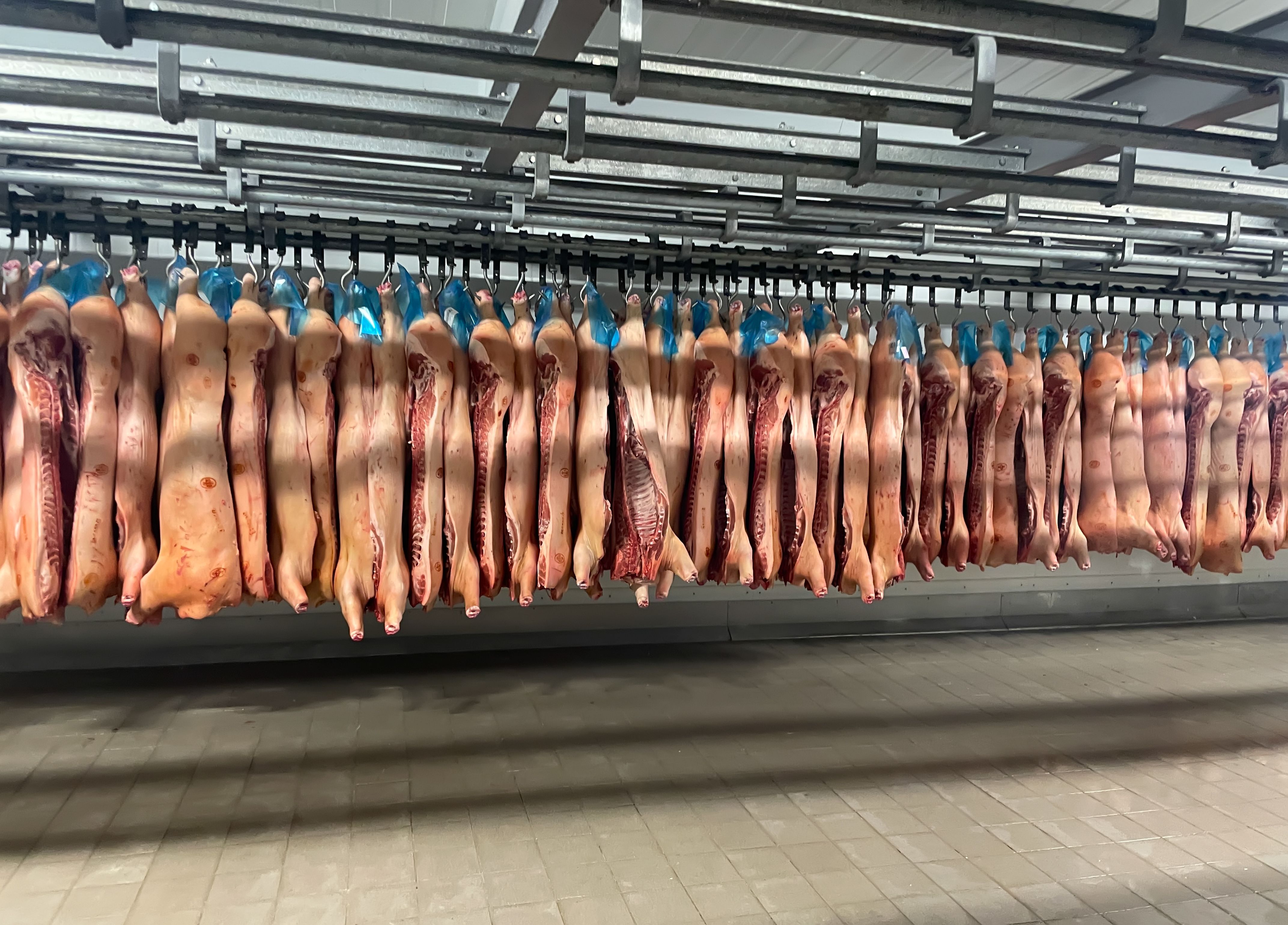
Core Categories of Slaughtering Machinery
Different livestock require specialized processing lines to maintain meat quality and comply with humane slaughter regulations.
Cattle and Beef Slaughtering Equipment
Beef processing demands heavy-duty, high-torque machinery capable of handling large carcasses safely.
- Stunning Boxes & Restraining Systems: Pneumatic or hydraulic knocking boxes designed to minimize animal stress, which directly prevents Dark, Firm, and Dry (DFD) meat.
- Bleeding & Hoisting Lines: Heavy-duty overhead track conveyors and electric hoists for smooth carcass transfer.
- Hide Pullers: Hydraulic downward or upward hide pullers that remove hides cleanly without damaging the underlying fat layer or meat.
- Splitting Saws: High-speed reciprocating or band saws equipped with sterilization systems to split carcasses accurately along the spine.
Pig (Pork) Slaughtering Lines
Pork processing relies heavily on continuous automated lines to handle high throughput rates.
- CO2 Stunning Systems & Electric Stunners: Ensures humane unconsciousness while preventing blood splash in the meat.
- Scalding Tanks & Dehairing Machines: Automated temperature-controlled scalding vats paired with rubber-paddle dehairing drums for efficient hair removal.
- Singeing Furnaces & Polishing Machines: Gas-fired singers and whip-polishing units that eliminate residual hair and sterilize the skin surface.
Poultry Slaughtering Machinery
Poultry lines operate at the highest speeds in the meat industry, often processing thousands of birds per hour.
- Automated Killing & Bleeding Systems: Precision rotary blades combined with controlled water-bath stunners.
- Scalders & Pluckers: Multi-stage air-agitated scalding tanks followed by disc pluckers that remove feathers without tearing the skin.
- Evisceration Equipment: Automated vent cutters, opening machines, and eviscerators that extract internal organs cleanly to avoid cross-contamination.
Key Factors to Consider When Buying Abattoir Equipment
Before requesting a quote from a slaughtering machinery manufacturer, evaluate your facility against these four criteria:
| Factor | What to Look For | Why It Matters |
|---|---|---|
| Material & Hygiene | Food-grade 304 or 316 Stainless Steel with smooth, crevice-free welds. | Prevents bacterial growth and withstands daily high-pressure chemical washdowns (HACCP/USDA compliance). |
| Processing Capacity | Rated throughput per hour (e.g., 50 cattle/hr, 300 pigs/hr, or 6,000 birds/hr). | Prevents bottlenecks on the production floor and allows room for future business scaling. |
| Automation Level | Semi-automatic vs. PLC-controlled fully automated lines. | Reduces reliance on skilled manual labor and improves cut consistency. |
| After-Sales & Spare Parts | Availability of local technical support, wear parts (blades, paddles), and remote diagnostics. | Minimizes costly downtime during peak processing seasons. |
Why Automation is Transforming Slaughterhouses
Labor shortages and strict food safety audits are pushing processors toward smart slaughtering machinery. Modern systems now integrate:
- Vision-Guided Cutting: 3D cameras and sensors that map carcass dimensions to optimize primal cuts and increase meat yield.
- CIP (Clean-in-Place) Systems: Automated sanitizing nozzles built directly into saws and conveyors to sterilize equipment between every carcass.
- IoT & Predictive Maintenance: Real-time motor and hydraulic monitoring that alerts plant managers before a component fails.
Ready to build or upgrade your slaughterhouse?
Contact our engineering team today for a free CAD plant layout and custom slaughtering machinery quote tailored to your hourly capacity.