


Extruded Snack Production Line Process

foodmachtech | 2026-11-17 | 1496
Extrusion technology is widely used in the production of corn-based snacks, rice snacks and filled expanded products. By adjusting ingredient formulations, processing temperatures, pressure and die designs, manufacturers can produce snacks with different shapes, textures and densities.
A typical extruded snack production line includes raw material preparation, mixing, extrusion, cutting, drying, seasoning and packaging. Each stage requires suitable equipment, and the performance of one process can affect the efficiency and consistency of the entire line.
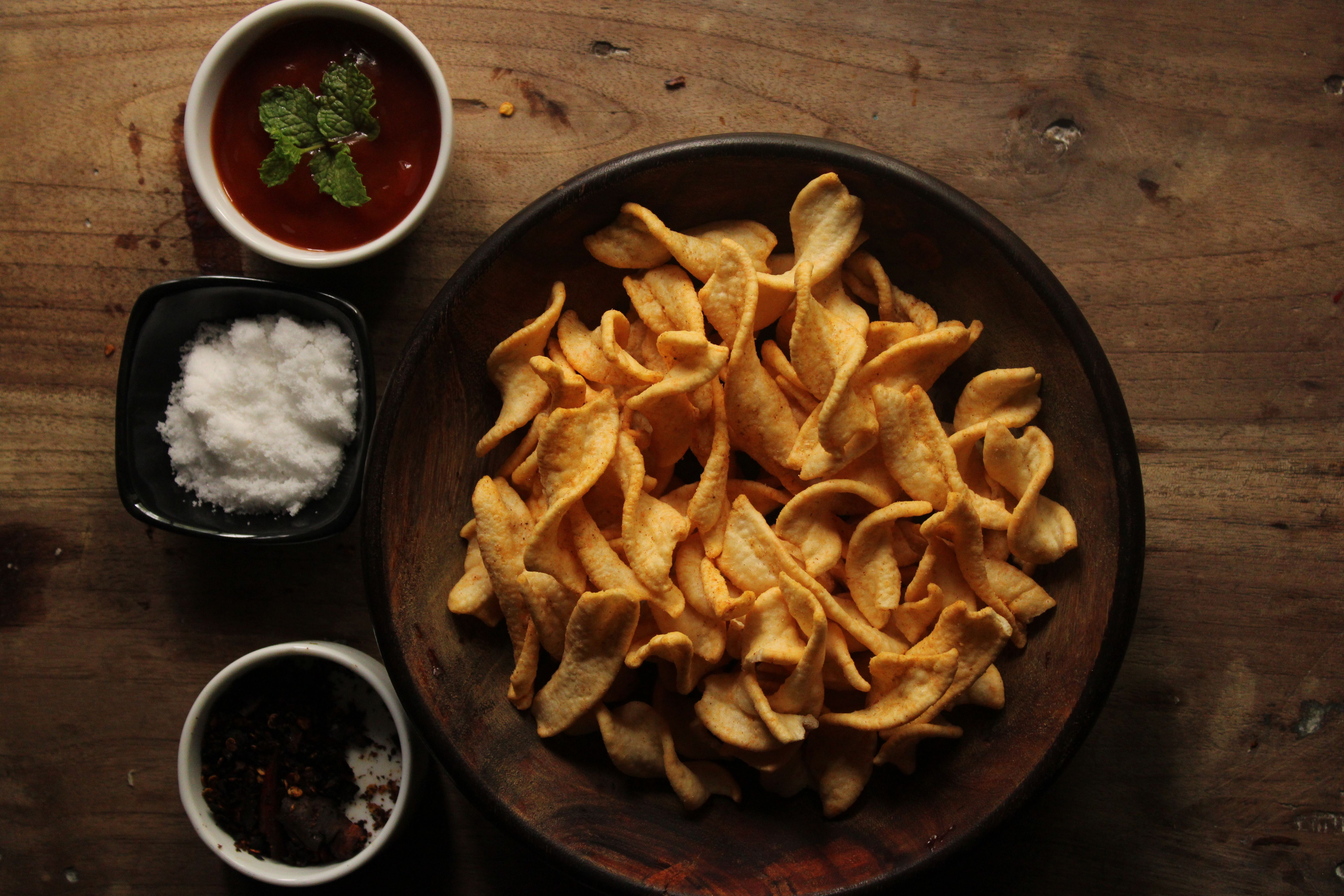
How Does an Extruded Snack Production Line Work?
Extrusion uses mechanical force, heat and pressure to transform grain-based ingredients into expanded products. A typical processing sequence is:
Raw Material Preparation → Mixing → Extrusion → Cutting → Drying → Seasoning → Weighing and Packaging
Extrusion is the key forming stage, while drying and seasoning help achieve the required product texture, moisture level and flavor.
Key Equipment in an Extruded Snack Production Line
Each machine performs a specific function. Proper equipment matching is essential for maintaining a continuous and stable production process.
Raw Material Mixer
Ingredients such as corn flour, rice flour and wheat flour are mixed with water and other formulation components before extrusion.
An industrial mixer helps distribute ingredients evenly and achieve a consistent feed mixture. Moisture content and ingredient ratios should be controlled according to the product formulation and raw material properties.
Food Extruder
The extruder is the central machine in an extruded snack production line. Mixed ingredients enter the machine and are conveyed, compressed and heated by rotating screws before passing through a specially designed die.
As the material exits the die, pressure drops rapidly and part of the moisture vaporizes, causing the product to expand.
Twin-screw extruders are commonly used in applications requiring effective mixing and flexible processing conditions. Screw configuration, temperature control, die design and feeding speed all influence expansion, density and texture.
Cutting and Drying Equipment
After extrusion, the expanded material is cut into the required lengths and transferred to a drying system to reduce moisture content.
- Cutting Machine: Controls product length and helps maintain consistent dimensions.
- Industrial Dryer: Reduces moisture through controlled temperature and drying time.
The cutting speed should match the extruder output, while drying parameters should be adjusted according to product size, formulation and target moisture level.
Seasoning and Packaging Machines
Dried snacks can be transferred to a drum seasoning machine or continuous seasoning system for coating with salt, spices and other ingredients.
After seasoning, weighing and packaging machines complete portioning, sealing and packaging. For products that are sensitive to moisture or require extended storage, packaging materials and sealing methods should be selected according to product requirements.
What Products Can Be Made with Extrusion Equipment?
By changing die designs, ingredient formulations and processing parameters, extrusion equipment can produce different types of expanded snacks.
| Product Type | Ingredients or Characteristics | Processing Considerations |
|---|---|---|
| Corn-based snacks | Mainly made from corn flour, available in various shapes | Die design, expansion and cutting |
| Rice-based snacks | Made from rice flour or other rice ingredients | Moisture control, extrusion settings and texture |
| Filled expanded snacks | Expanded outer layer with an internal filling | Co-extrusion and filling equipment |
| Multigrain snacks | Made from blends of different grains | Mixing, screw configuration and process stability |
Not every product uses the same extrusion method. Filled snacks may require additional filling systems, while different product shapes may need dedicated dies. Equipment selection should therefore be based on the intended product rather than machine capacity alone.
What to Consider When Choosing an Extruded Snack Production Line
Selecting an extrusion line involves more than comparing machine prices or rated output. Manufacturers should evaluate product requirements, production capacity and equipment compatibility.
Product Formulation and Processing Requirements
Define the target snack type, main ingredients, formulation and finished product specifications before selecting equipment. Differences in starch content, moisture and raw material properties can affect extrusion performance and determine which machine and die configurations are suitable.
Production Capacity and Line Integration
Actual line output depends on more than the extruder. Mixing, drying, seasoning and packaging equipment must also have compatible processing capacities.
Manufacturers should check the output of each machine to avoid bottlenecks that could interrupt continuous production.
Die Design and Product Changeovers
For businesses producing snacks in different shapes and sizes, die flexibility is an important consideration. Check whether dies can be replaced easily and whether product changeovers require adjustments to screw configurations, temperatures or other processing parameters.
Cleaning, Maintenance and Technical Support
Cleaning access, food-contact materials, spare parts availability and maintenance requirements should also be considered.
For long-term production, manufacturers should check whether the supplier provides installation, commissioning, operator training and technical support.
Building a Production Line Around Your Product Requirements
An extruded snack production line is more than a combination of individual machines. It requires a coordinated process based on raw materials, product characteristics and target output.
From mixing and extrusion to drying, seasoning and packaging, each stage must work in coordination to maintain product consistency and production efficiency. By defining product specifications and production requirements before purchasing equipment, manufacturers can build a more suitable and flexible extrusion processing solution.
Disclaimer: This article is compiled from public information and optimized with AI tools for industry information exchange and reference purposes only.