


Nut Processing Line: Key Equipment Explained

foodmachtech | 2026-08-20 | 1765
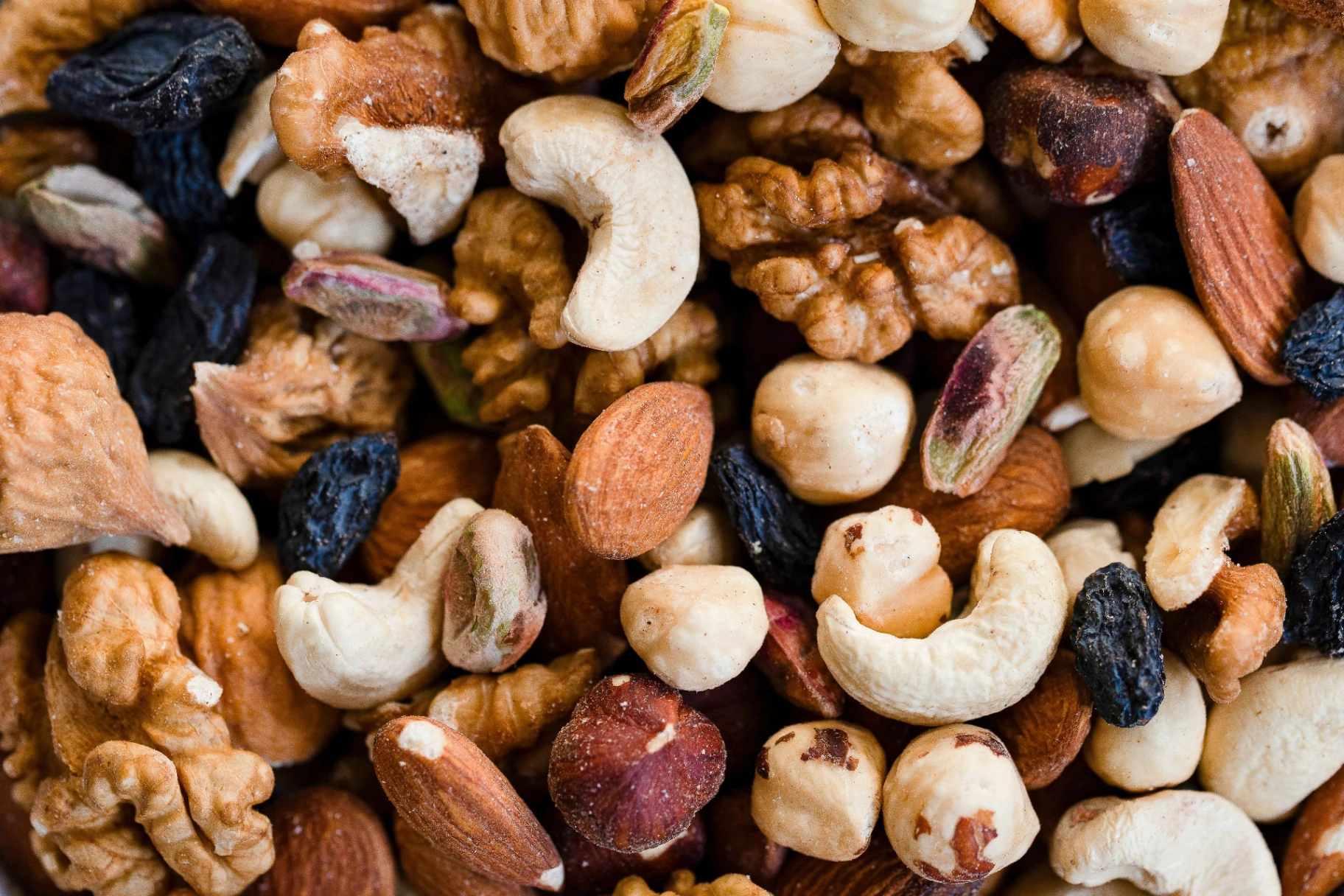
A nut processing line turns raw peanuts, almonds, cashews, pistachios, hazelnuts, and other nuts into roasted, seasoned, or further-processed products. Equipment requirements vary by nut type and finished product. Understanding the main processing stages helps food processors choose the right equipment and automation level.
What Equipment Does a Nut Processing Line Need?
A typical nut processing line may include cleaning, grading, roasting, cooling, peeling or shelling, sorting, seasoning, weighing, and packaging equipment. Not every product requires all these stages, so the line can be configured according to the raw material and final product.
- Cleaning and Grading Equipment
Raw nuts are first cleaned to remove dust, stones, plant material, and other impurities. Cleaning and grading equipment helps improve raw material consistency before further processing. - Roasting Equipment
Roasting affects the color, aroma, texture, and flavor of nuts. Continuous and drum roasting machines can control temperature and roasting time according to different nut types. Even heating and accurate temperature control are important for consistent results. - Cooling, Peeling, and Shelling Equipment
Roasted nuts usually need to be cooled before the next processing stage. Some products also require peeling or shelling, depending on the raw material and finished product. Equipment should be selected based on the structure of the nut and the required processing result. - Sorting and Seasoning Equipment
Sorting equipment removes nuts that do not meet requirements for size, color, or appearance. For salted, spiced, or other seasoned products, seasoning machines help distribute coatings more evenly across the nuts. - Weighing and Packaging Equipment
Finished nuts are typically weighed, filled, and sealed before shipment. Automatic weighing and packaging equipment can increase production speed and reduce errors from manual weighing. Packaging settings can also be adjusted for different product weights and package sizes.
How to Choose a Nut Processing Line?
Start with the nut type and finished product. Shelled and unshelled nuts require different equipment, while plain roasted nuts and seasoned products may require different processing stages.
Next, consider production capacity. Small processors may need only partially automated equipment, while high-volume operations can benefit from continuous processing machines and automated conveying systems.
Other factors include equipment compatibility, automation level, available space, and maintenance requirements. If production is expected to expand, choosing equipment with sufficient capacity and room for future upgrades can make the line easier to scale.
One Line Does Not Fit Every Nut
Nut processing lines are usually modular and can be configured for different products and processing requirements. Instead of purchasing a complete line without considering the process, processors should first define the product, target capacity, and required processing stages, then select suitable cleaning, roasting, sorting, seasoning, and packaging equipment.
For stable quality and continuous production, matching the capacity of each processing stage is often more important than simply choosing the highest-capacity individual machine.
Disclaimer: This article is based on publicly available information and assisted by AI-generated content and optimization. It is provided for industry information sharing and reference only.