


High-Protein Dough: Bakery Equipment Challenges

foodmachtech | 2026-08-26 | 1758
Driven by GLP-1 trends and health-conscious consumer demand, high-protein and high-fiber baked goods are booming. Citing market insights from Bimbo Bakeries, Flowers Foods, and Rich Products, this article examines key processing bottlenecks—such as dough stickiness and tearing—and explores automated, stress-free equipment solutions.
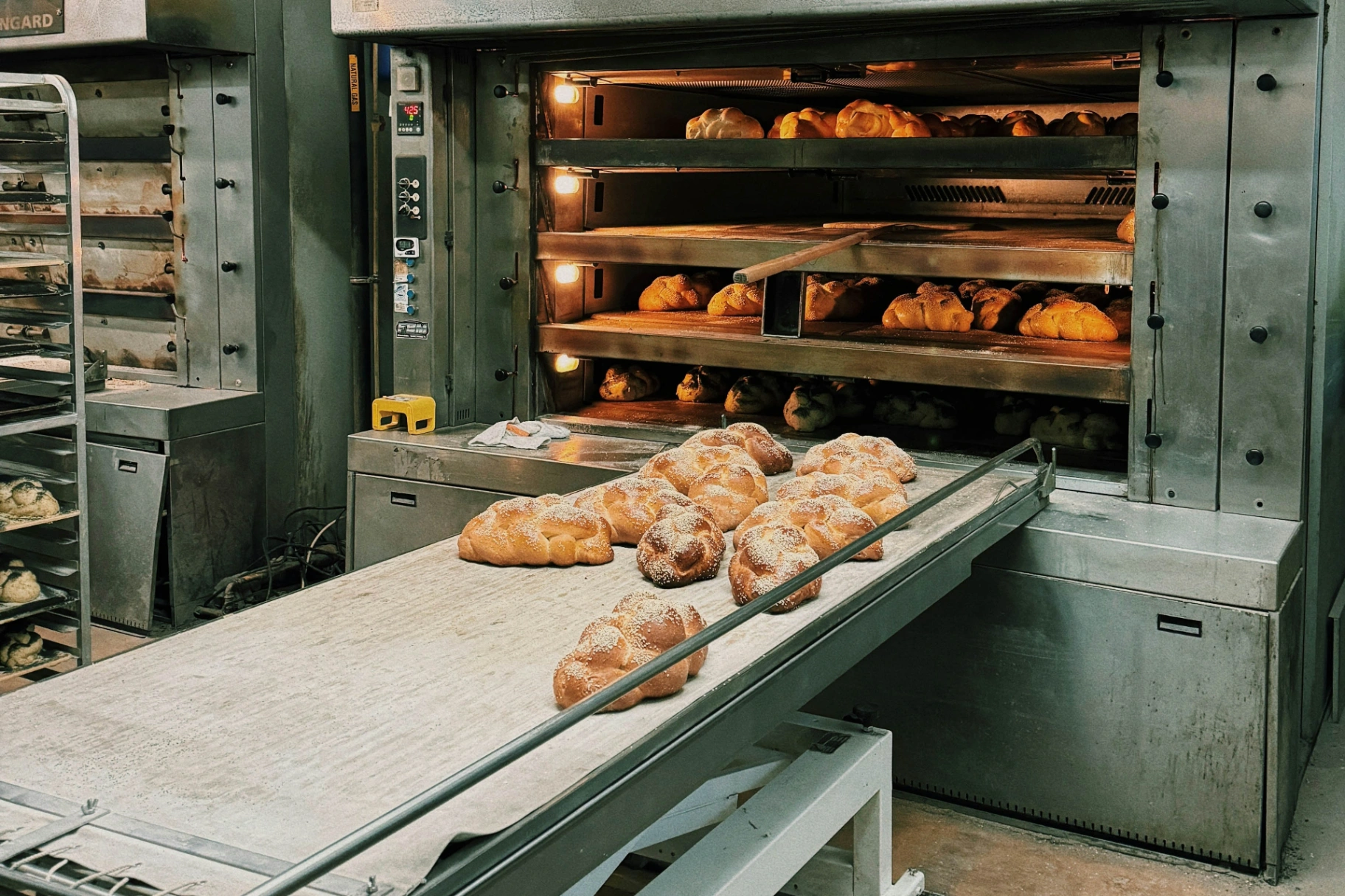
Consumer Health Trends Drive Reformulation
The global bakery industry is undergoing a profound structural shift. As highlighted in a recent industry report by Food Processing, the widespread adoption of appetite-suppressing medications (such as GLP-1) and a surge in consumer demand for "healthy indulgences" are accelerating the demand for nutrient-dense baked goods.
Major commercial bakeries are rapidly capitalizing on this momentum:
- Bimbo Bakeries USA recently launched Oroweat Fiber Power Bread (offering 14g of fiber per two slices) and Oroweat Protein Bread (delivering 20g of complete protein).
- Flowers Foods introduced Nature's Own Life Wheat + Protein, packing 22g of protein per two slices.
However, as technical counselors from Rich Products pointed out, maintaining batch-to-batch consistency while rapidly introducing new health-focused formulations remains a formidable operational hurdle. A change in formulation directly translates to a change in physical dough properties. Incorporating large amounts of whey protein, plant protein, or resistant starch alters gluten network development, posing unprecedented challenges to standard food processing machinery.
Equipment Bottlenecks in Dough Processing
During the scale-up from R&D recipes to continuous industrial production, plant managers and equipment engineers face three primary bottlenecks:
High Dough Stickiness & Equipment Adhesion:High-protein and high-fiber ingredients exhibit extreme water absorption and retention. This makes dough excessively sticky, causing it to adhere to conveyor belts, sheeting rollers, and rotary cutters, resulting in frequent operational downtime.
Poor Extensibility & Sheet Tearing:Insoluble dietary fiber particles physically interrupt the gluten structure, severely reducing dough elasticity. Traditional high-stress sheeting rollers easily cause dough sheet tearing or loss of lamination structure.
Fermentation Instability & Volume Deficits:Dense protein fortifiers increase overall dough weight and can inhibit yeast activity. Without ultra-precise temperature and humidity controls in proofing equipment, product collapse or insufficient loaf volumes are common outcomes.
Automated & Flexible Equipment Solutions
To maintain product consistency without sacrificing throughput, food processing equipment providers are deploying next-generation flexible processing solutions designed specifically for complex dough formulations:
Automated & Stress-Free Sheeting Technology
Marketing leaders at Vandemoortele USA emphasize that combining high-precision equipment with adapted processing methods is fundamental to maintaining quality consistency. Modern automated laminating lines utilize multi-roller progressive reduction (Stress-Free Sheeting) instead of aggressive rolling. This stress-free approach thins high-fiber and high-protein dough sheets without rupturing delicate gluten networks, preserving handcrafted textures at industrial scale.
Specialized Anti-Stick Coatings & Smart Scraping Systems
To tackle severe dough adhesion, rollers, chutes, and transfer belts are increasingly coated with food-grade Teflon or micro-textured anti-stick surfaces. Paired with pneumatic self-cleaning scrapers, these innovations drastically reduce dough buildup and maximize line uptime.
Precision Proofing & Micro-Climate Control
High-protein doughs are exceptionally sensitive to ambient proofing environments. Smart proofing chambers equipped with 3D air circulation and precise micro-climate temperature and humidity regulation deliver stable fermentation conditions, ensuring consistent loaf inflation and texture across every batch.
Equipment Flexibility Drives Growth
The push toward functional, nutrient-dense diets is a permanent market shift. For food machinery manufacturers and commercial bakeries, future competitiveness hinges on equipment flexibility and processing compatibility. By investing in stress-free automated sheeting, precision climate-controlled proofing, and anti-stick conveyance systems, commercial bakeries can effortlessly master complex high-protein and high-fiber formulations—achieving both high operational efficiency and uncompromised product quality.
Disclaimer: This article is based on publicly available information and assisted by AI-generated content and optimization. It is provided for industry information sharing and reference only.